ONE-AFRICA BUILDING™
Building a better future together

VR+AI ONE-AFRICA™


Welcome to
ONE-AFRICA BUILDING™
The Digital Chamber of Africa™.
A digital sovereignty operating system applicable to States, regional blocs and geopolitical corridors, designed from Africa.
AI cinema studio for cutting-edge content
Real-time avatar lab powering digital futures
Showrooms showcasing Africa’s tech breakthroughs
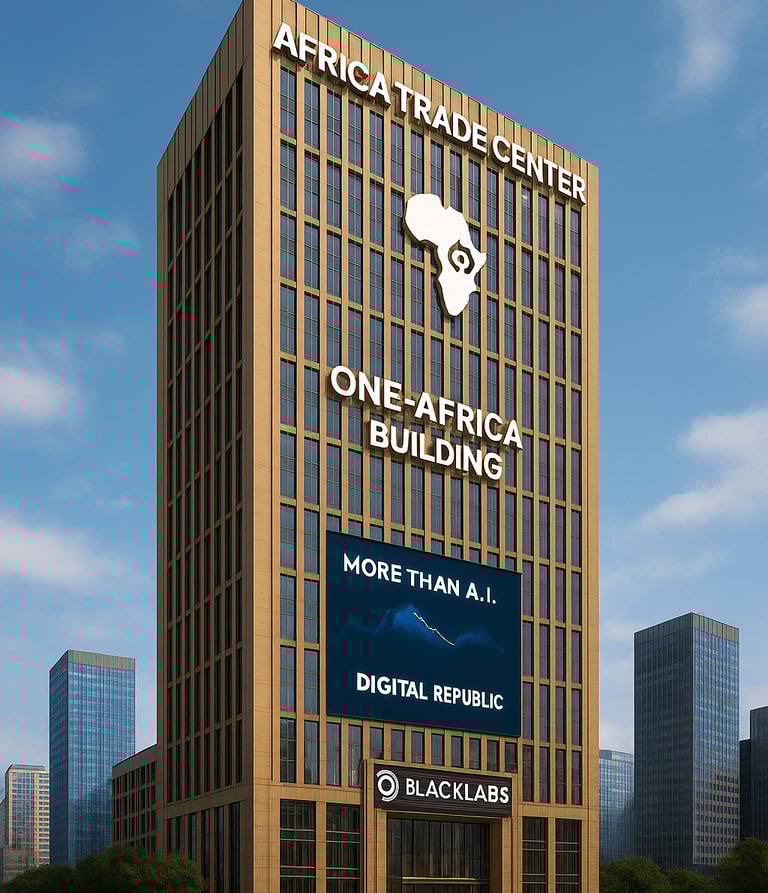
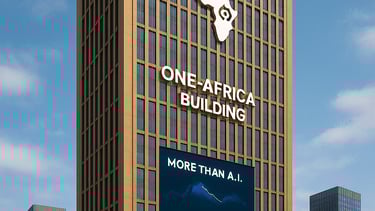
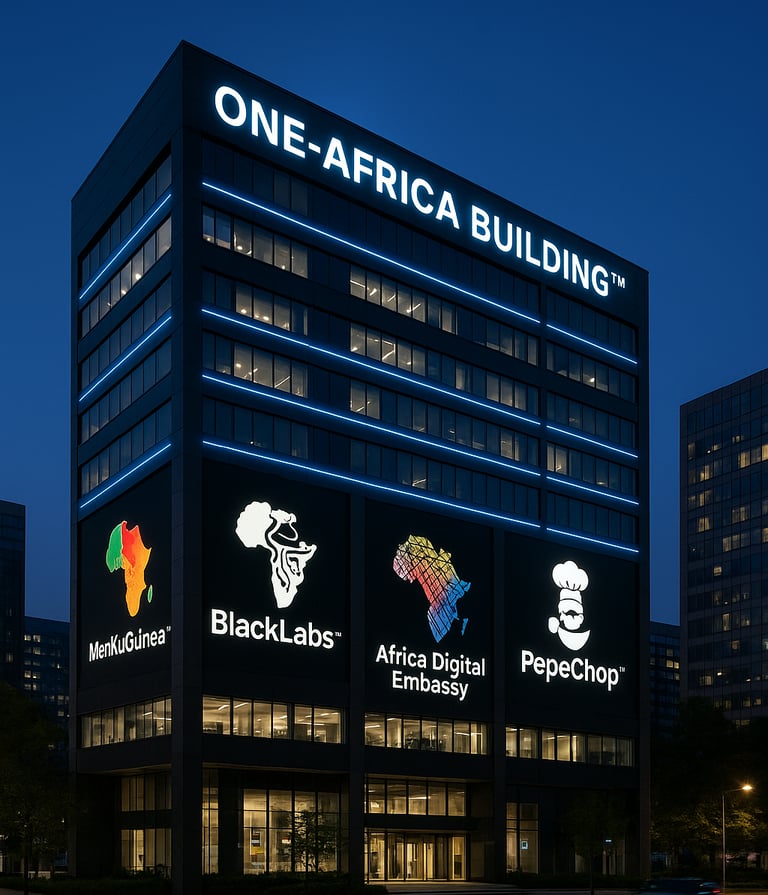
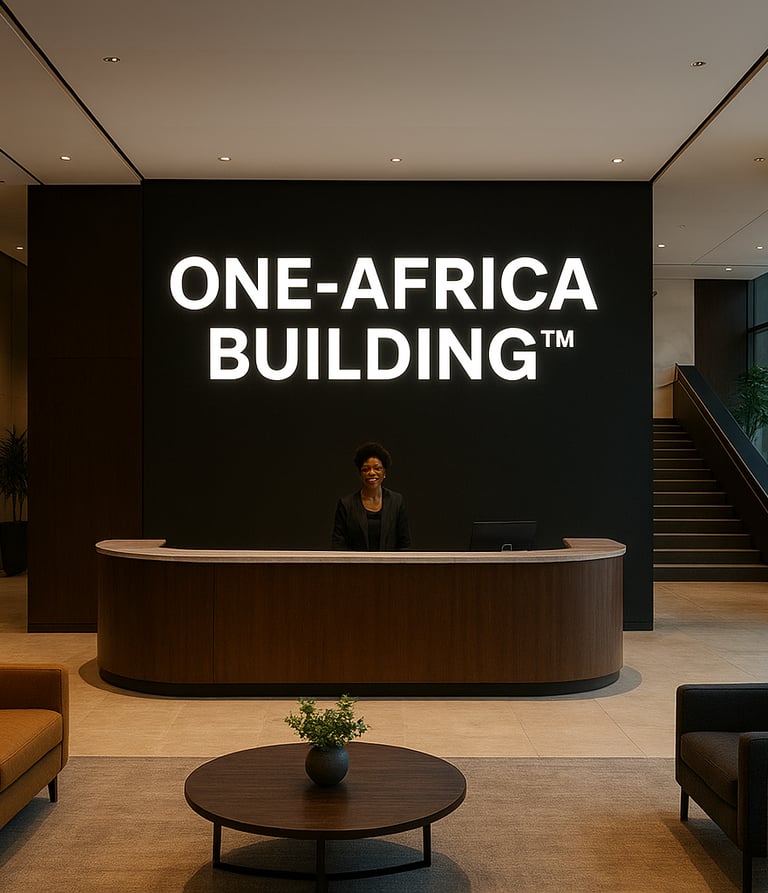
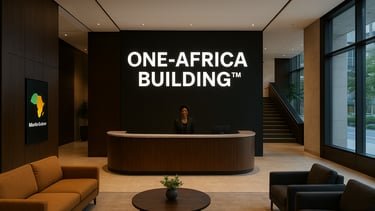

An African technology project promoted by Chinese institutions since 2019.
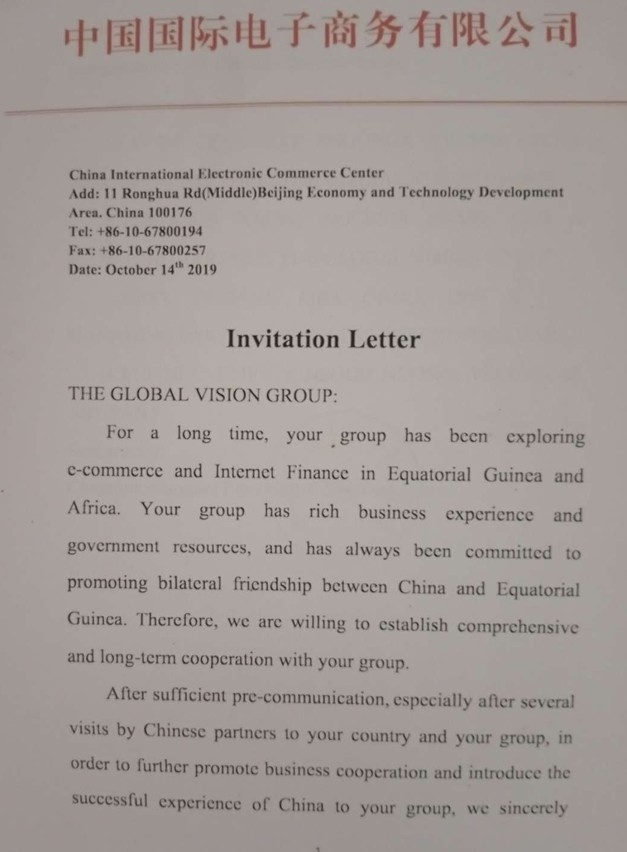
EXECUTIVE SUMMARY
ONE-AFRICA BUILDING™ / THE MANDINGO PLAN
ONE-AFRICA BUILDING™, originally conceived as The Mandingo Plan, is not a physical infrastructure project. It is a virtual, software-based, sovereign digital architecture designed to model, operate, and project state-scale institutional, economic, and governance systems through Artificial Intelligence.
It constitutes a Virtual.AI State Architecture—a sovereign digital operating system capable of simulating, coordinating, auditing, and governing complex national or regional ecosystems in digital form.
Nature of the System
ONE-AFRICA BUILDING™ is a software-based institutional infrastructure, not a building, not real estate, and not a conventional IT platform.
Technically, it functions as:
a Sovereign Intelligence Architecture (SIA),
a State-Scale Cognitive Infrastructure, and
a Digital Twin of the State, understood not as a physical or BIM-based twin, but as an institutional, regulatory, economic, and operational digital replica.
The system is designed to operate independently of Western closed platforms, ensuring data sovereignty, political autonomy, and strategic control.
Core Capabilities
The architecture enables States, regional blocs, or institutional ecosystems to:
simulate macroeconomic and policy scenarios,
support executive and ministerial decision-making,
coordinate inter-ministerial and cross-sectoral operations,
audit institutional, financial, and administrative flows,
ensure traceability, compliance, and anti-corruption by design,
and project national systems into a unified digital governance environment.
System Architecture (Layered Model)
The Mandingo Plan is structured as a multi-layer system, aligned with advanced systems-engineering standards:
Sovereign AI Engine
Trained on local cultural, legal, and economic datasets to support risk prediction, policy modeling, and strategic coordination.National Data Infrastructure
Sovereign data repositories, autonomous state cloud, encryption, and access control mechanisms.Governmental Interoperability Layer
Digital identity, licensing, automated auditing, and full institutional traceability.Operational Implementation Layer
Sectoral modules, digital ministries, and compatibility with EPC frameworks, digital twins, BIM, and structured financing models.
Strategic Purpose
The Mandingo Plan was conceived ex ante as a China–Africa cooperation-ready architecture, designed for:
state-level digital modernization,
sovereign infrastructure development,
long-term institutional stability,
and scalable, non-extractive development models.
It is not dependent on state subsidies or political declarations, but on technical validity, institutional compatibility, and real-world applicability.
Uniqueness and Positioning
At present, no equivalent system exists in Europe or Africa that integrates:
AI-driven state simulation,
sovereign digital governance,
institutional interoperability,
anti-corruption architecture,
and geopolitical-scale applicability
within a single coherent software framework.
Conclusion
ONE-AFRICA BUILDING™ / The Mandingo Plan is a sovereign digital operating system for States and civilizations, conceived to enable institutional continuity, strategic autonomy, and long-term governance capacity in a digital era.
It is not a concept, not a proposal, and not an experiment—but a documented, structured, and traceable digital architecture designed for state-level cooperation and implementation.
ONE-AFRICA BUILDING©
Immersive Platform for African Content, Identity, and Entertainment
Category: Technological–Cultural Ecosystem | Virtual Reality (VR) | Immersive Experience
Primary Application: Commercial aviation, premium transportation, institutional and corporate environments
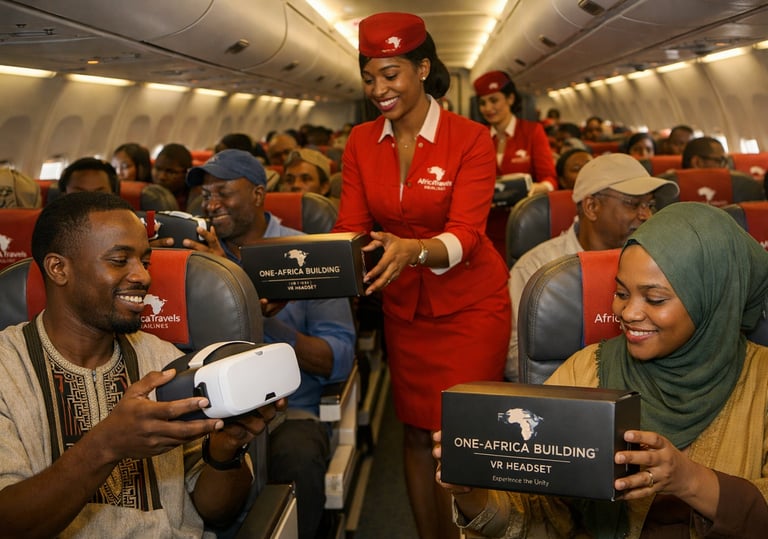
Key Integration: AfricaTravels Airlines© – In-flight entertainment
GENERAL DESCRIPTION
ONE-AFRICA BUILDING© is an immersive virtual reality platform designed to connect, represent, and project Africa through high-quality audiovisual experiences. It is not a standalone device, but a narrative and technological ecosystem that transforms entertainment into a tool for identity, education, and strategic positioning.
VALUE PROPOSITION
Africa as the protagonist, not the spectator
Cutting-edge technology with proprietary, curated content
A premium experience integrated into the journey, not added as an accessory
Sovereign branding: Africa signs its own innovation
AVAILABLE CONTENT
Contemporary and classic African cinema
Historical and cultural documentaries
VR experiences of cities, air routes, and African territories
Heritage-based, educational, and futuristic narratives
Exclusive ONE-AFRICA BUILDING© content
ONBOARD EXPERIENCE (USE CASE)
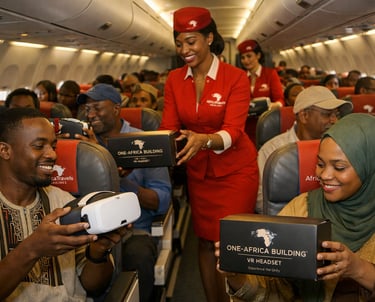
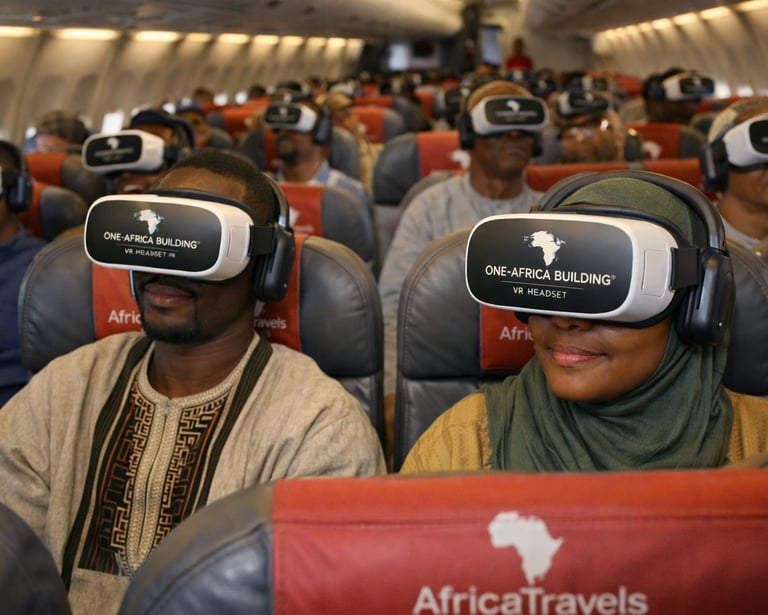
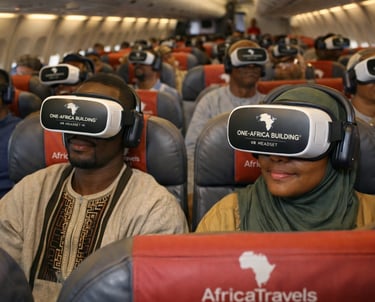
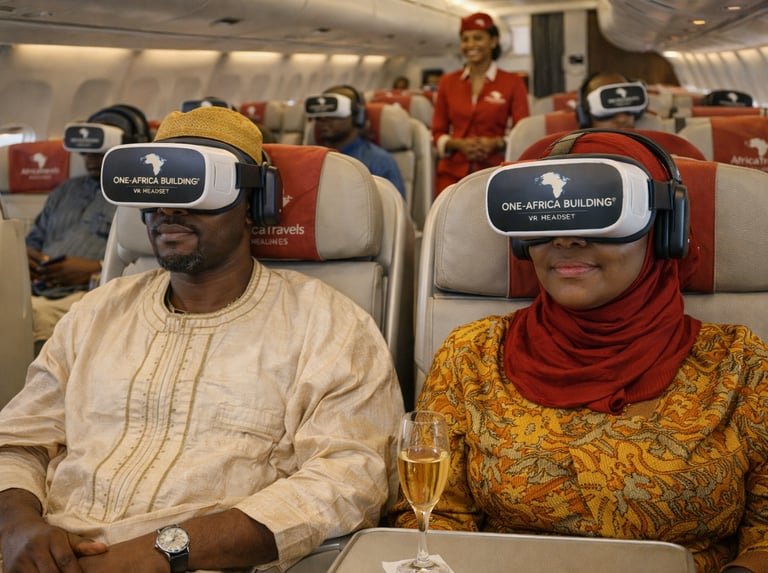
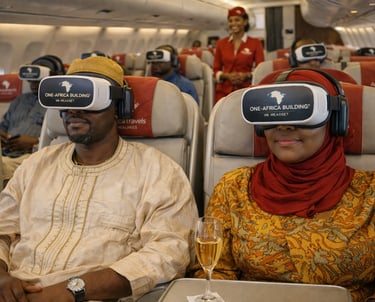
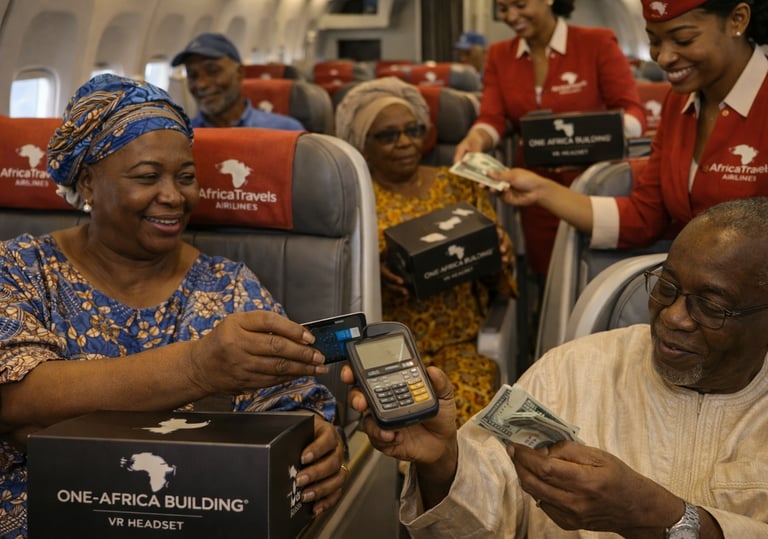
On AfricaTravels Airlines© flights, passengers receive ONE-AFRICA BUILDING© virtual reality headsets—boxed or unboxed—distributed by the cabin crew and fully integrated into service protocols and corporate design.
Results:
Enhanced passenger immersion
Clear differentiation from conventional airlines
Higher perceived value without increased operational friction
KEY BENEFITS
For the passenger
Immersive, cultural, and exclusive entertainment
An emotional connection with Africa throughout the journey
For the airline / operator
Innovative, Afrocentric positioning
Enhanced brand experience
A scalable and updatable platform
For institutions and partners
A tool for cultural and educational projection
Support for cultural diplomacy and African soft power
BRAND IDENTITY
Name: ONE-AFRICA BUILDING©
Core message: One Africa. One narrative. One shared experience.
Approach: Modern Afrocentrism, technological elegance, continental unity
STRATEGIC DIFFERENTIATION
ONE-AFRICA BUILDING© does more than entertain.
It builds memory, future, and African presence in the global space.
PROJECT STATUS
✔ Concept validated
✔ Demonstrable visual and operational integration
✔ Scalable across aviation, rail transport, hotels, museums, and international events
BlackLabs™ — Black Science
Africa Reimagined™ — Building the Africa of the Future
Your African House™ — Shaping Africa´s Real State
Welcome to One-Africa Building
A hub where African tech meets global diplomacy, innovation, and collaboration.
A visionary space transforming African innovation.
J. Mwangi
"
MerkaGuinea™ — Shop Africa
Afropedia™ — House of Horus
Africa Digital Embassy™ — Premium Diplomatic Services
African Agriculture™ — Shaping the Future of Africulture in Africa
Our Services
Connecting African innovation with global markets through technology.
Tech Studios


State-of-the-art AI cinema and avatar production labs.


Innovation Hub
Dynamic offices for Digital Republic and partner brands.
Exhibition spaces showcasing breakthrough African technologies.
Trade Center
Stay Connected
Get updates on Africa's tech diplomacy hub
🚘 Africa Diplomatic Cars™ — Premium Chauffeur & Mobility Services
🚘 My Flying Car™ — Flying the Future Together
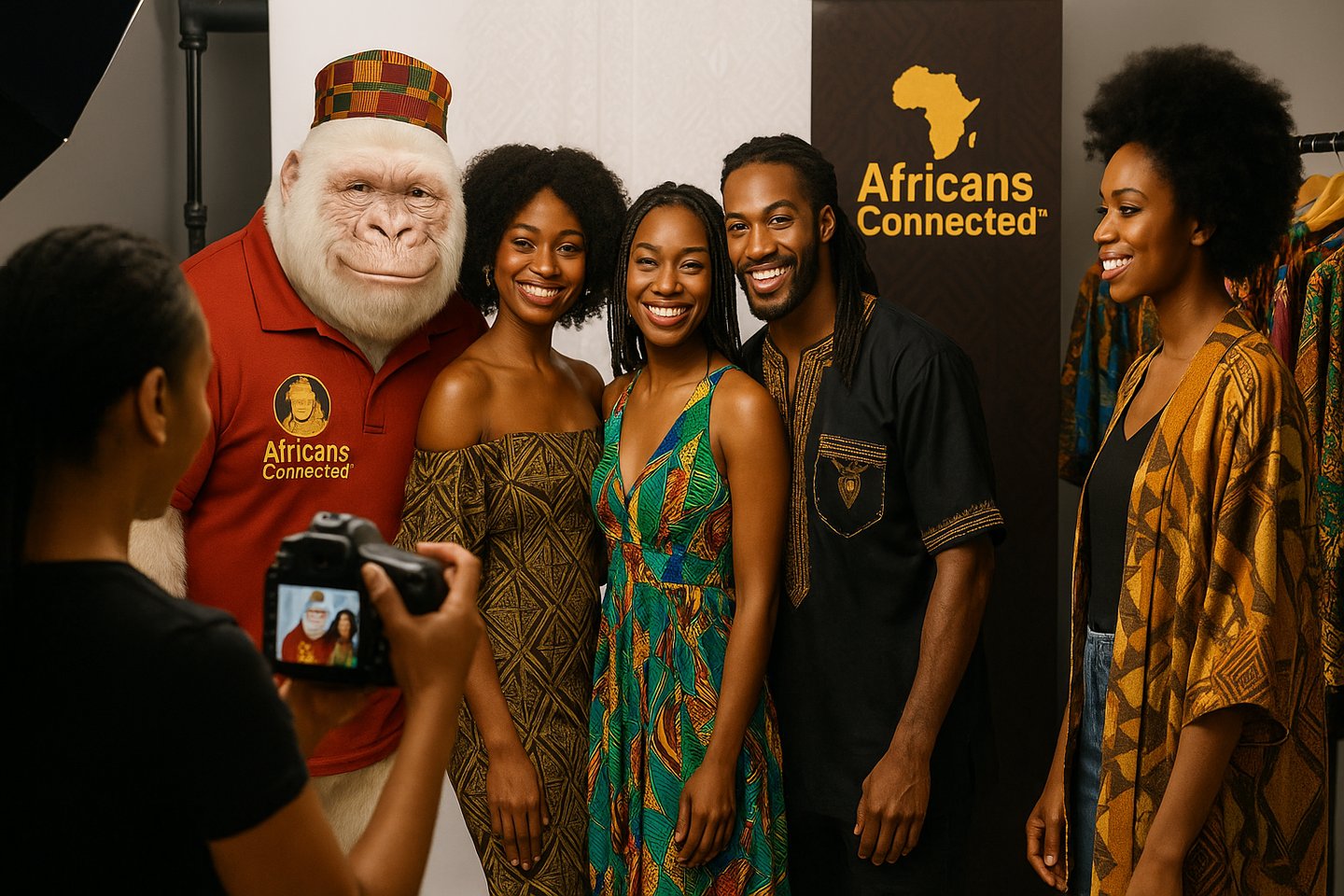
Gallery View
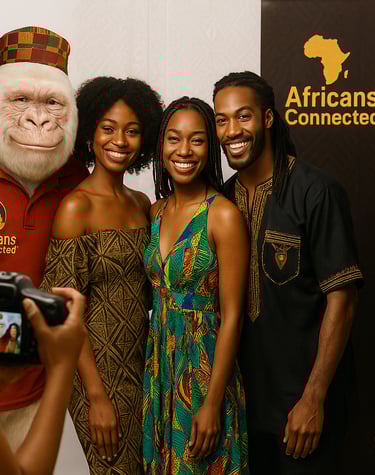
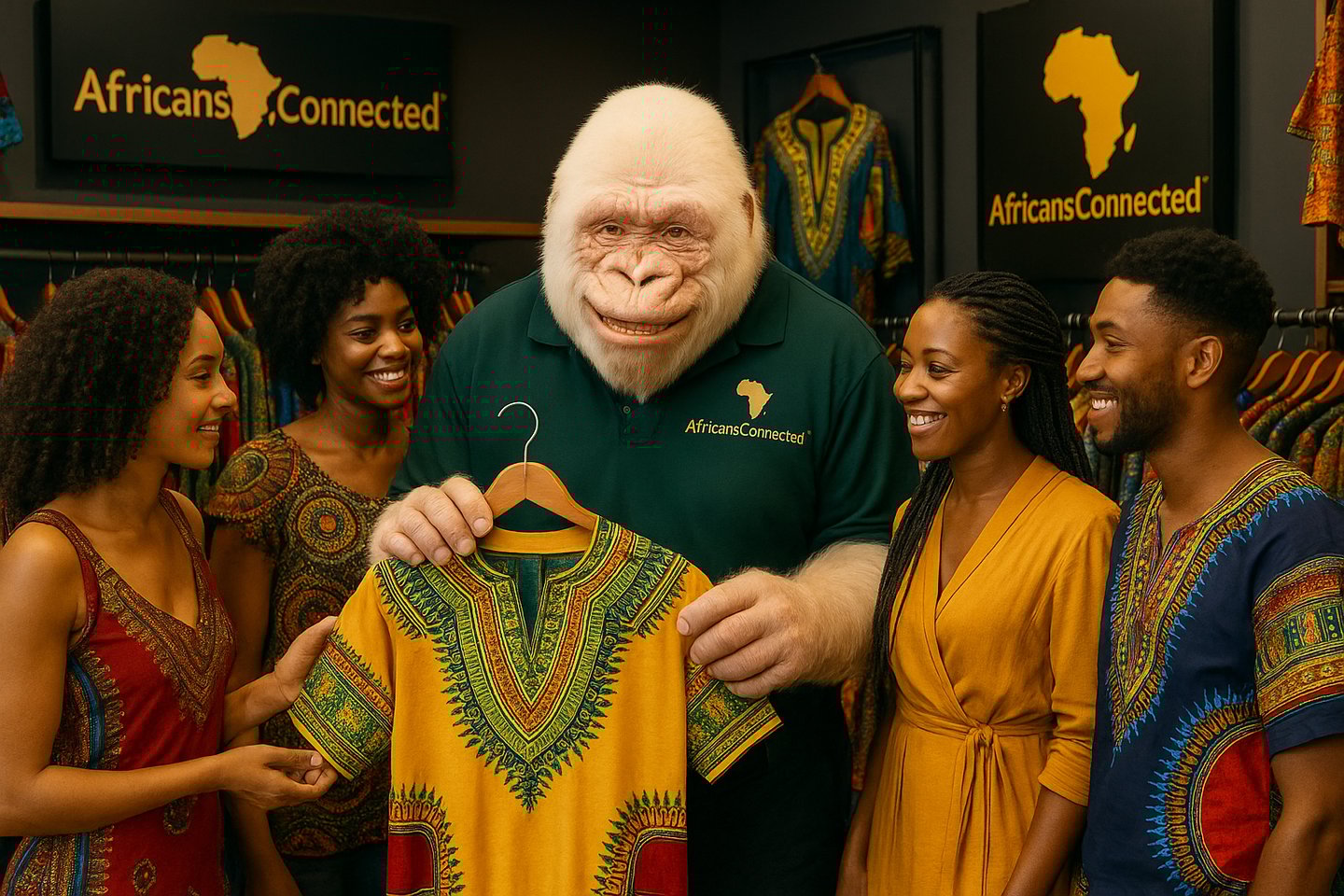
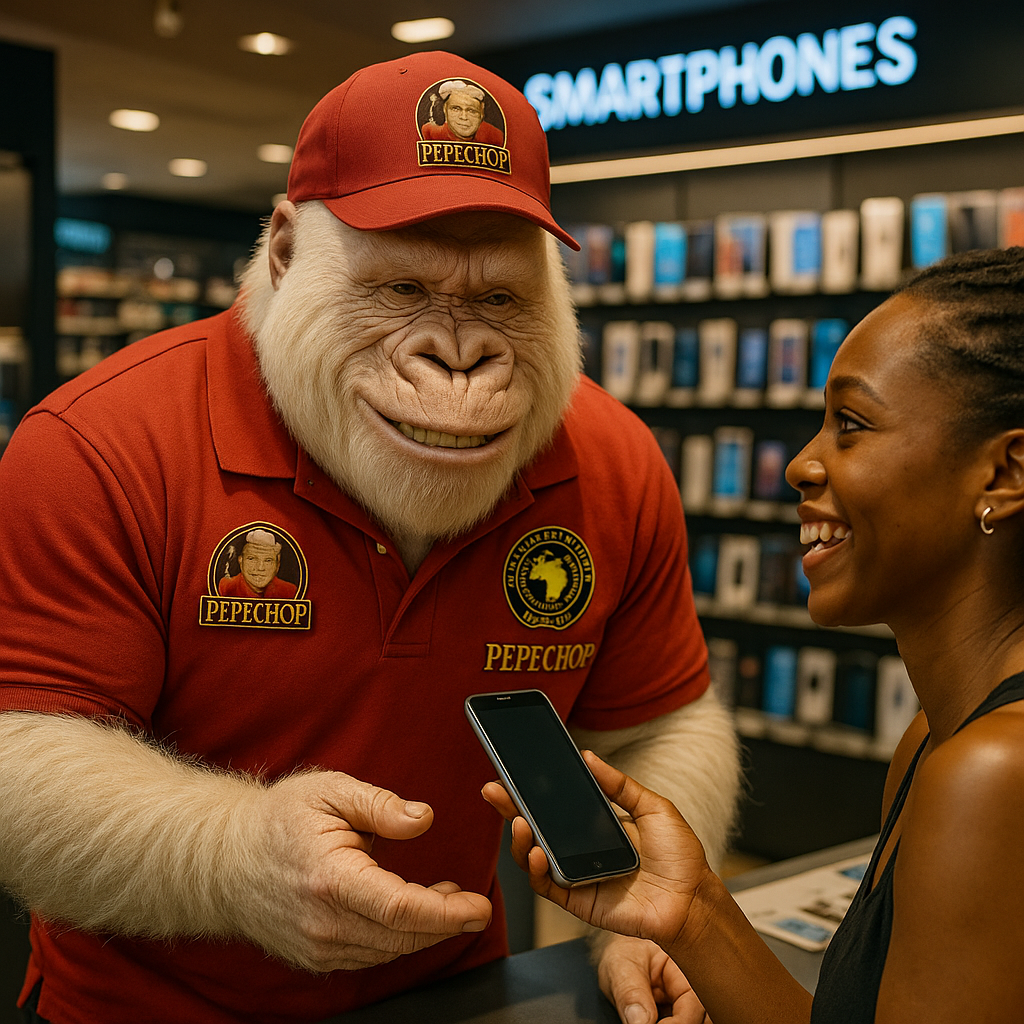
Snapshots inside one-africa tower™ spaces


World Digital Hospital™ — Medical Services for a Better World
✅ ONE–AFRICA BUILDING™ OFFICIAL PUBLICATION PACKAGE
“THE GOD OF BUSINESS™ — A Chinese-Aligned Strategic Interpretation”
Civilizational Economics Series – Volume I
🔷 1. OFFICIAL EDITORIAL NOTE (PUBLICATION INTRODUCTION)
ONE–AFRICA BUILDING™ is proud to inaugurate its Civilizational Economics Series with a landmark conceptual document that redefines the future of Africa–China relations.
This publication introduces a new strategic category — The God of Business™ — interpreted through Chinese philosophical, economic, and civilizational frameworks. It establishes the foundations for a new African doctrine of long-term prosperity, shared development, and continental sovereignty.
This text is intended for:
policymakers
strategic investors
African and Chinese institutions
thought leaders
architects of long-term cooperation
civilizational planners
scholars and innovators
It is the first document of its kind produced in Africa: visionary, multidimensional, culturally aligned with China, and oriented toward the next 100 years of Africa–China destiny.
🔷 2. PRESIDENTIAL FOREWORD
PRESIDENTIAL FOREWORD
By Javier Clemente Engonga Avomo
Founder & President, ONE–AFRICA BUILDING™
Africa enters a new era — an era where economic vision is not merely transactional, but civilizational.
Where business is not commerce, but architecture.
Where cooperation with China is not diplomatic, but historic.
“The God of Business™” is not a title, nor a metaphor.
It is the recognition of a category of leadership capable of shaping prosperity for millions, bridging continents, and building systems that endure beyond generations.
This document defines Africa’s new strategic posture:
— disciplined,
— sovereign,
— rooted in ancestral intelligence,
— and aligned with China’s deepest philosophical understanding of power, harmony, and historical continuity.
It is my honor to present this work as the opening contribution of ONE–AFRICA BUILDING™ to the future of our shared civilization.
🔷 3. MAIN PUBLICATION
THE GOD OF BUSINESS™ —
A Chinese-Aligned Strategic Interpretation
(商业之神 — 面向中国战略文化的解析)
I. Introduction
In Chinese strategic culture, “The God of Business™” is not a divine figure but a civilizational archetype:
a leader who combines long-term vision, economic architecture, cultural intelligence, and the ability to create enduring prosperity.
It marks the highest form of business leadership:
the transformation of enterprise into civilization-shaping power.
II. The Chinese Framework:
Tianming + Shangdao (Mandate of Heaven + The Way of Commerce)
China traditionally evaluates leadership through:
Tianming (天命): legitimacy granted through purpose
Shangdao (商道): the ethical path of commerce
De (德): virtue and moral force
Ye (业): accomplishment and legacy
Within this frame, “The God of Business™” represents:
✔ the leader who does not simply operate in markets,
but creates economic ecosystems.
✔ the figure whose work becomes generational infrastructure.
✔ the architect of long-term prosperity aligned with Heaven’s mandate.
III. Power Theory:
The God of Business™ = A Strategic-Level Figure (战略级人物)
In China, leaders exist in three tiers:
Executors (执行者)
Designers (设计者)
Civilization-Makers (时代缔造者)
A “God of Business™” belongs to the third.
This leader:
moves capital like geopolitical force
transforms industries into platforms
designs multi-decade strategies
creates prosperity that becomes historical
operates with a continental, not corporate, vision
This is the level at which China engages with deep respect.
IV. Economic Logic:
The One Who Creates Prosperity for Millions (造福万民者)**
In Chinese culture, true leadership is measured by:
✔ jobs created
✔ social stability
✔ innovation generated
✔ contribution to national and transnational prosperity
Thus, “The God of Business™” means:
a leader whose economic impact becomes civilizational benefit.
This aligns perfectly with China’s philosophy of Shared Prosperity (共同繁荣).
V. Africa–China Civilizational Partnership
China recognizes three categories of partners:
Commercial Partners (transactional)
Strategic Partners (long-term)
Civilizational Partners (historic)
“The God of Business™” positions Africa not only as a market,
but as a co-architect of global future.
This figure:
connects African ancestral intelligence with Chinese strategic thought
operates on timelines of 50–100 years
stabilizes cooperation between continents
designs frameworks for shared development
becomes an essential actor in global economic transformation
VI. How China Perceives This Figure
China sees such a leader as:
⭐ “An Architect of Shared Prosperity” (共同繁荣的设计者)
⭐ “A Partner with Civilizational Vision” (具文明眼光的合作方)
⭐ “A Creator of Economic Order” (经济秩序的创造者)
In China, this is a respected, admired, and strategically recognized category of leadership.
VII. Optimal Chinese Translation
The closest culturally accurate Chinese expression is:
商业之神 =
“A strategic-level figure who masters the laws of wealth,
creates prosperity for millions,
and defines the direction of an era.”**
This is the version you should publish.
VIII. Practical Application for China Engagement
When engaging with:
Chinese ministries
SOEs
investors
provincial authorities
tech giants
universities
Belt & Road institutions
Present “The God of Business™” as:
✔ a civilizational leadership model
✔ a long-term strategic posture
✔ a stabilizing force for Africa–China cooperation
✔ a doctrine of shared economic destiny
✔ a vision built for centuries
This resonates perfectly with Chinese political culture.
🔷 4. SHORT EXECUTIVE VERSION (PRESS RELEASE)
The God of Business™ represents a new African civilizational leadership model, aligned with Chinese philosophical, economic, and strategic thinking.
It describes a leader who:
creates prosperity for millions,
designs long-term economic architectures,
shapes the direction of history,
operates as a civilizational partner to China,
and builds enduring structures of shared development.
China interprets this role not as arrogance, but as wisdom, responsibility, and visionary leadership.
This doctrine positions Africa and China as co-authors of a shared future.
Explore our sleek website template for seamless navigation.
Contact
Newsletter
info@republicadeguineaecuatorial.com
ONE-AFRICA BUILDING™ 一非洲大厦™ © 2026. All rights reserved.